

From NBA locker rooms to Olympic training centers, massage guns (percussive therapy devices) have evolved from a luxury gadget to a non-negotiable recovery tool. But why? It’s not just about feeling good.
For athletes, time is currency. The ability to bounce back from intense training determines success. This guide explores the physiological mechanisms behind percussive therapy and how to integrate it into a professional training regimen, based on sports science and data.
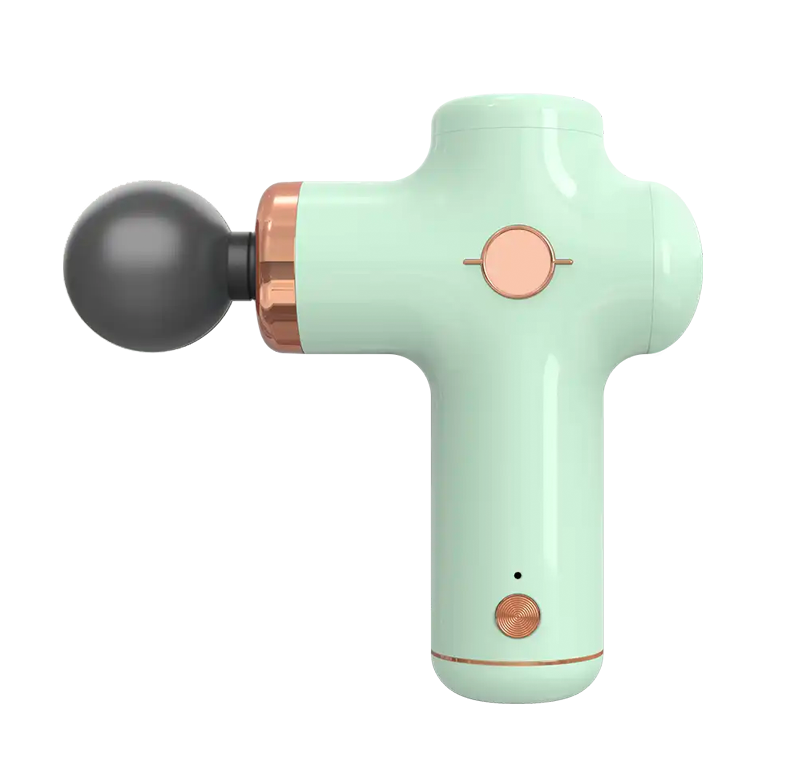
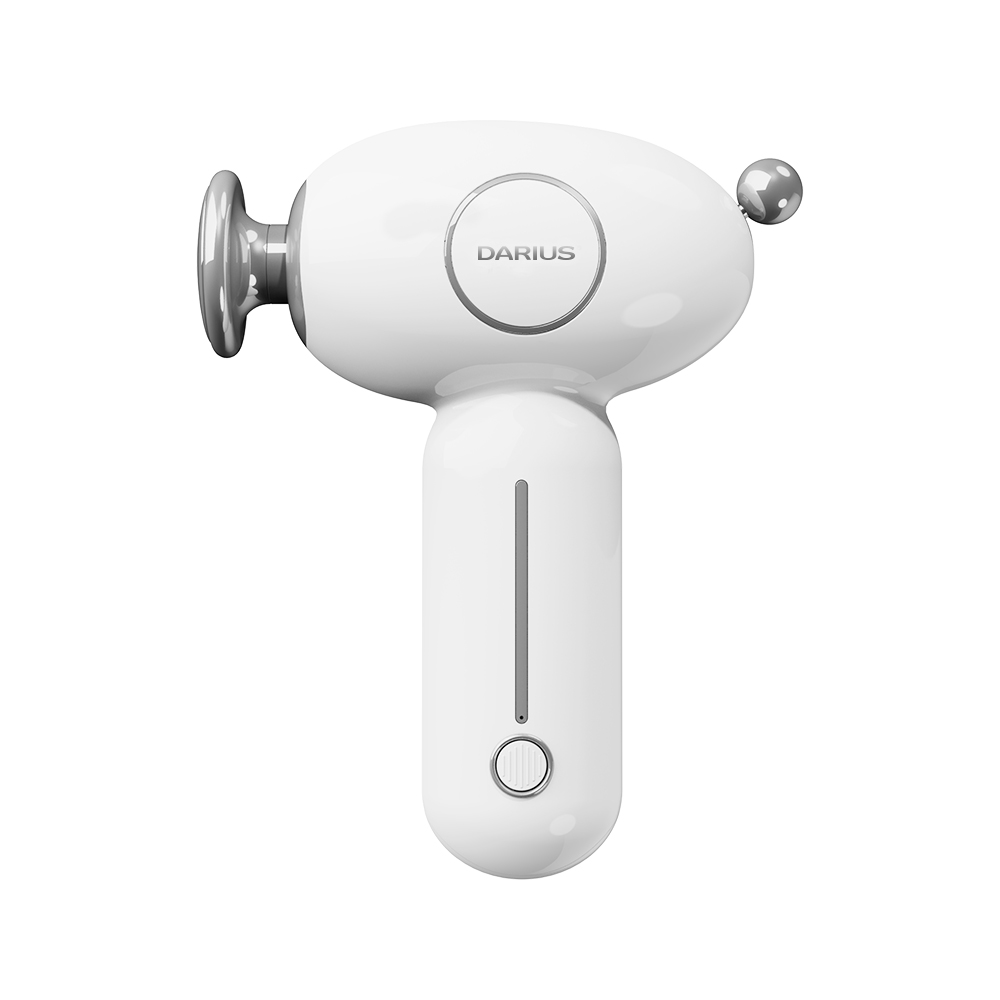
Unlike traditional foam rolling, massage guns like the Darius DRS Series utilize a combination of frequency (speed) and amplitude (depth) to target the central nervous system.
Pain Gating: High-frequency vibrations bombard the skin's mechanoreceptors, effectively "overriding" pain signals sent to the brain (Gate Control Theory).
Blood Flow & Oxygenation: Rapid percussion increases local blood flow, delivering oxygen and nutrients essential for muscle repair while flushing out metabolic waste like lactic acid.
Fascial Release: It targets the fascia (connective tissue), preventing adhesions that restrict mobility.
Clinical Insight: A 2023 study published in the Journal of Sports Science & Medicine found that 5 minutes of percussive therapy significantly reduced Delayed Onset Muscle Soreness (DOMS) compared to passive rest
Athletes don't use massage guns randomly. The technique changes based on the goal. Here is how pros do it:
Pre-Workout: Activation (The "Wake Up" Call)
Goal: Prime the nervous system and increase tissue temperature.
Technique: High speed, light pressure.
Duration: 30 seconds per muscle group.
Why: You want to stimulate blood flow without relaxing the muscle too much, which could temporarily reduce explosive power.
Post-Workout: Recovery (The "Cool Down")
Goal: Flush out toxins and down-regulate the nervous system (Parasympathetic mode).
Technique: Lower speed, medium-to-deep pressure.
Duration: 2 minutes per muscle group.
Why: Deep, slow pulses help relax tight fibers and signal the body that it is safe to start repairing.
Different sports place stress on different kinetic chains. A versatile device allows for targeted relief:
Runners: Focus on calves and IT bands to prevent knee issues.
Weightlifters: Target the lats and traps to improve overhead mobility.
Office Workers/Gamers: While not "athletes" in the traditional sense, using a massage gun on the upper traps combats "tech neck," a common issue affecting posture.
Recovery isn't just physical. The rhythmic thumping of a massage gun has a sedative effect on the nervous system. By reducing physical tension, athletes report lower cortisol (stress hormone) levels and better sleep quality—the single most important factor in athletic recovery.
To ensure safety (Google YMYL compliance), please adhere to these rules:
Avoid Bones: Never use the gun directly on the spine, ankles, or joints.
Broken Skin: Do not use on bruises or open wounds.
Listen to Your Body: Pain should be "good pain" (relief), not sharp pain. If you feel sharp pain, stop immediately.
Massage guns are powerful tools, but they are part of a larger ecosystem involving hydration, nutrition, and sleep. Whether you are training for a marathon or just trying to stay active, integrating a device like the DRS-8000A Massage Gun can bridge the gap between mediocre training and peak performance.
Ready to upgrade your recovery? Explore the Darius Professional Series.